Radon Q&A: What Every Homeowner Should Know About This Invisible Indoor Air Pollutant
2 minute read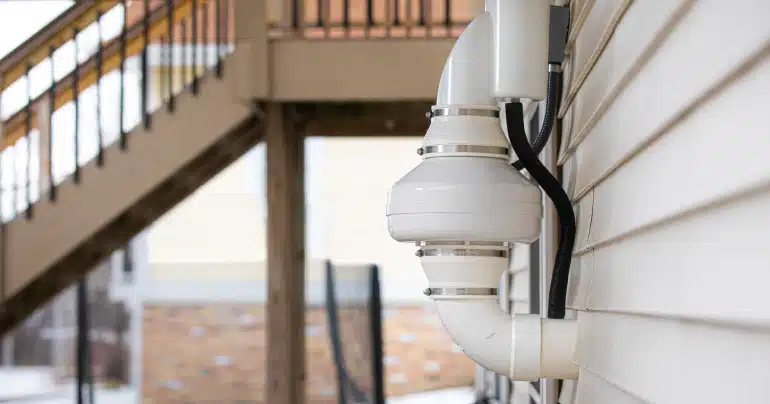
Radon is a naturally occurring gas that can build up inside homes without any warning signs. Because you can’t see or smell it, radon often goes unnoticed—yet it’s a leading cause of lung cancer among nonsmokers. Below, we answer the most common questions homeowners have about radon and how it impacts Indoor Air Quality and health.
What is radon?
Radon is a colorless, odorless, radioactive gas that forms naturally when uranium breaks down in soil, rock, and water. It can seep into homes through cracks in foundations, gaps around pipes, crawl spaces, and sump pits.
Why is radon dangerous?
When radon gas is inhaled, it breaks down into radioactive particles that can damage lung tissue over time. Long-term exposure increases the risk of lung cancer. Radon is the second leading cause of lung cancer overall and the leading cause among nonsmokers.
How does radon get into a home?
Radon enters homes from the ground beneath them. Common entry points include:
- Cracks in concrete floors or walls
- Construction joints
- Gaps around service pipes
- Crawl spaces and sump pumps
Any home—new or old, with or without a basement—can have elevated radon levels.
How do I know if my home has radon?
The only way to know is to test. Radon levels vary from home to home, even within the same neighborhood. Short-term radon test kits or advanced IAQ monitors offer fast, reliable results.
What is a safe radon level?
There is no completely risk-free level of radon. However, the EPA recommends taking action if radon levels are 4.0 pCi/L or higher.
When should I test for radon?
You should test:
- When buying or selling a home
- After major renovations
- If you’ve never tested before
- Every year, even if past results were low
Testing is especially important during colder months, when homes are sealed tighter and radon levels may be higher.
Can radon be fixed?
Yes. Radon mitigation systems are highly effective and can reduce radon levels significantly. These systems typically use a vent pipe and fan to draw radon from beneath the home and release it safely outdoors.
Is radon only a problem in certain areas?
Radon is found in every state. While some regions have higher average levels, any home can have a radon problem. Geographic location alone should never be used to determine risk.
Take Action for Healthier Air
If you haven’t tested your home for radon, now is the time. A simple test can provide peace of mind—and if levels are elevated, proven solutions are available. Healthy Air isn’t just about comfort; it’s about protecting what matters most.