Understanding How to Protect Indoor Air From Wildfire Smoke
4 minute read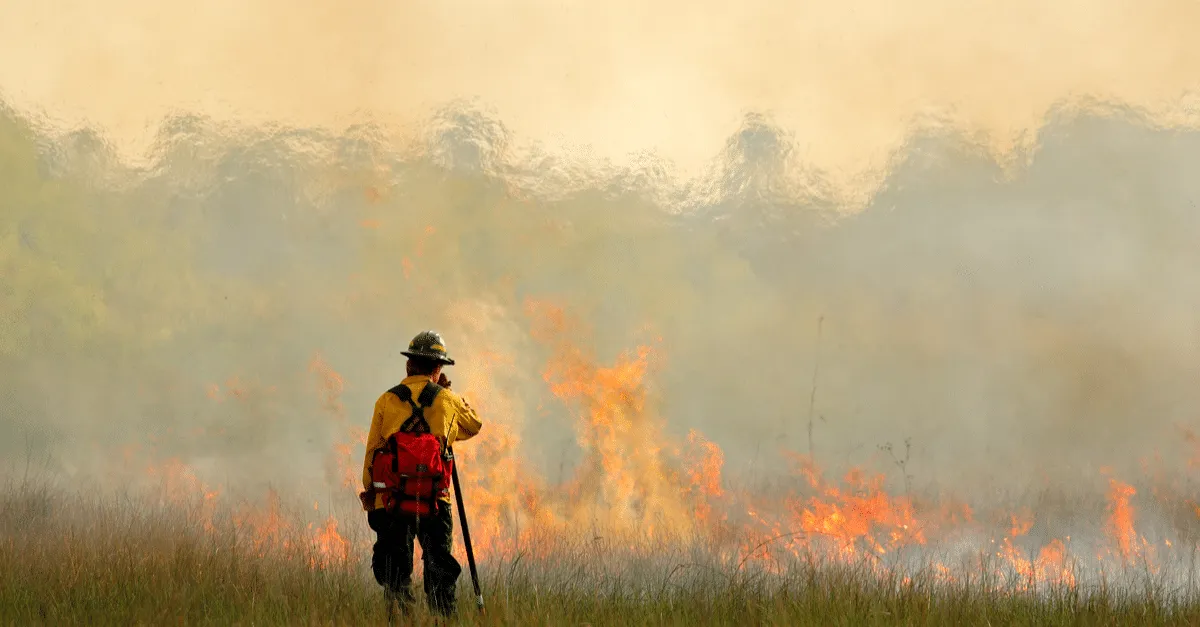
Wildfire smoke inhalation refers to the intake of harmful gases and fine particulate matter (PM2.5) generated during large-scale fires, which currently represents a primary threat to national air quality. Climate change accelerates these health hazards by extending the duration and intensity of wildfire seasons across the United States. It is critical to understand the respiratory risks associated with poor Indoor Air Quality and to learn how to protect indoor air from wildfire smoke.
Key Takeaways
- Wildfire smoke contains fine particulate matter that poses significant respiratory risks during extended burn seasons
- Air quality indices like the AQI help residents monitor hazardous pollution levels from wildfire activity
- Long-range transport of smoke allows pollutants to impact regions thousands of miles from fire origins
- High-efficiency air filtration systems, such as MERV 16 filters, are essential for capturing indoor pollutants
- Smart home monitoring tools enable real-time detection and automated mitigation of poor Indoor Air Quality
Factors Contributing to Extended Wildfire Seasons and Air Pollution
Known for their high temperatures and dry conditions, western U.S. states have long been prone to lengthy wildfire seasons. As climate conditions worsen, these seasons are becoming more severe and far-reaching. In recent years, wildfires in Canada caused widespread air pollution across the United States, forcing states far from the flames, including New York and New Jersey, to report “purple” and even “maroon” Air Quality Index (AQI) days. Purple indicates air that is very unhealthy, while maroon signals hazardous conditions, the worst air quality level possible.
Wildfire smoke can travel thousands of miles, carrying harmful airborne contaminants and contributing to the formation of secondary pollutants such as ground-level ozone. As a result, regions far removed from active fires can experience significant declines in air quality and increased risks to respiratory health.
Air pollution is considered one of today’s leading global health threats, and the EPA continues to warn about the long-term health effects associated with exposure to polluted air. Fortunately, monitoring local AQI levels and staying informed about nearby wildfire activity can help you take steps to reduce exposure and protect yourself from respiratory conditions such as asthma, lung disease, and other health risks linked to wildfire smoke.
Respiratory Health Symptoms Caused by Wildfire Smoke Inhalation
Since wildfire smoke consists of a mix of gases and chemicals, smoke inhalation can lead to several unwanted health symptoms, including:
- Coughing
- Shortness of breath and trouble breathing
- Irritated sinuses
- Asthma attacks
- Headaches
For people with pre-existing health conditions, you may experience worsening illness or symptoms following wildfire smoke inhalation.
HVAC and Air Filtration Strategies for Wildfire Smoke Protection
When wildfire smoke and outdoor air pollution impact your area, simply staying indoors may not be enough. Smoke particles and other airborne contaminants can enter your home through small cracks, gaps around windows and doors, and other openings, putting your Indoor Air Quality at risk.
One of the most effective ways to protect your home’s air—and your family’s health—is with a whole-home air filtration strategy. AprilAire Whole-House Air Purifiers paired with a MERV 13 or MERV 16 Air Filter help capture the particles that contribute to poor Indoor Air Quality, including smoke.
MERV (Minimum Efficiency Reporting Value) is the industry standard developed by ASHRAE to measure air filter performance. The higher the MERV rating, the more effective the filter is at capturing airborne particles. An AprilAire MERV 16 Air Filter can capture up to 99%* of airborne pollutants, including smoke particles, helping restore Healthy Air throughout your home.
Monitoring your home’s air quality is equally important. The AprilAire Healthy Air Monitor is a Wi-Fi-enabled 5-in-1 sensor that tracks particulate matter (PM2.5), total volatile organic compounds (TVOCs), carbon dioxide (CO₂), humidity, and temperature. Using both EPA standards and real-time air quality trends, it can identify unhealthy air conditions and alert homeowners through the Healthy Air App.
The Healthy Air App provides real-time notifications, air quality insights, and personalized recommendations to help you take action when conditions change. During poor outdoor air quality events, homeowners can use the app to turn off their ventilation system, helping reduce the introduction of outdoor pollutants into the home.
Long-Term Solutions for Maintaining Healthy Indoor Air Quality
Wildfires continue to act as a major threat to our air quality. It’s time we confront the challenges of climate change with sound solutions and positive reformations—starting with installing the necessary solutions to keep our home’s air fresh, clean, and healthy.
To start your path toward creating a Healthy Home environment, take the first step and Find a Pro near you today.
Frequently Asked Questions
How to protect indoor air from wildfire smoke effectively?
To protect indoor air from wildfire smoke, homeowners should seal gaps in windows and doors while utilizing high-efficiency air filtration systems. An AprilAire Whole-House Air Purifier with a MERV 13 or MERV 16 Air Filter is highly effective at capturing fine particulate matter, ensuring that your home remains a safe environment during poor air quality events.
What is the role of MERV ratings in air filtration?
The Minimum Efficiency Reporting Value (MERV) is an industry-standard rating system developed by ASHRAE that measures the efficiency of air filters. A higher MERV rating indicates superior particle capture capabilities, which is crucial for removing smoke and pollutants from indoor environments to maintain healthy air quality for all residents.
Why is PM2.5 dangerous for respiratory health?
Fine particulate matter (PM2.5) is dangerous because it consists of microscopic particles that can penetrate deep into the lungs and bloodstream. Exposure to these pollutants during wildfire seasons can trigger asthma attacks, cause shortness of breath, and lead to long-term respiratory issues, making air purification a necessary health precaution.
Can smart home technology improve Indoor Air Quality?
Smart home technology, such as the AprilAire Healthy Air Monitor, Healthy Air App, and Wi-Fi-enabled thermostats, can improve Indoor Air Quality by providing real-time data on pollutants. These devices allow for automated mitigation, such as turning off ventilation systems when outdoor air quality is hazardous, ensuring your home environment remains protected from external smoke.