How to Finish a Basement: 5 Essential Things to Consider Before Remodeling
4 minute read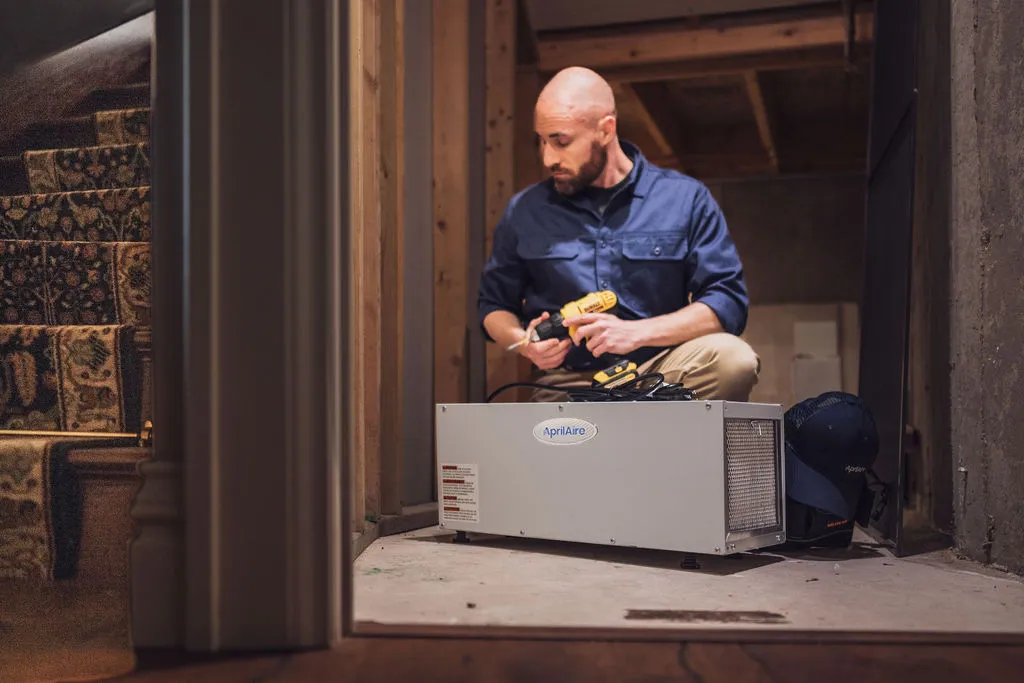
A finished basement can add valuable living space, increase your home’s resale value, and provide room for a family area, home office, or gym. But before choosing flooring and paint colors, it’s important to address moisture, air quality, and energy efficiency.
Use these basement finishing tips to create a comfortable, healthy, and durable space that you can enjoy for years to come.
1. Address Water and Moisture Problems First
Before beginning any basement renovation, inspect the space for signs of water intrusion or foundation issues. Look for:
- Foundation cracks
- Water stains
- Musty odors
- Efflorescence (white mineral deposits on concrete)
- Damp walls or flooring
Other signs of moisture problems may include peeling paint, condensation on windows or pipes, and persistent dampness after rain. Addressing these issues before remodeling can help prevent future damage and reduce the risk of mold growth behind finished walls.
Many basement moisture problems actually begin outside the home. Check that landscaping slopes away from the foundation, gutters are clear, and downspouts direct water several feet away from the house.
If your basement or crawl space experiences recurring moisture issues, consider professional solutions such as basement waterproofing or crawl space encapsulation before finishing the space.
By addressing moisture at the source, you can help protect flooring, drywall, insulation, and furniture from future damage.
2. Improve Basement Air Quality Before Renovating
A finished basement should support a healthy indoor environment, not introduce hidden air quality concerns.
Before remodeling, inspect for mold growth, mildew, and signs of long-term dampness. If mold is present, address the issue before installing framing, drywall, or flooring. Depending on the severity, you may choose professional remediation or follow these tips on what to do if you discover mold growth.
It’s also important to consider ventilation and filtration. Because basement air can circulate throughout the entire home, moisture, mold spores, and musty odors originating below grade can affect indoor air quality in other living areas. Addressing air quality concerns before construction begins helps create a healthier environment and living space throughout the home. It’s also important to consider ventilation and filtration. Because basement air can circulate throughout the entire home, moisture, mold spores, and musty odors originating below grade can affect indoor air quality in other living areas. Addressing air quality concerns before construction begins helps create a healthier environment and living space throughout the home.
3. Maintain Healthy Humidity Levels
Humidity control is one of the most important—and often overlooked—parts of finishing a basement.
Basements naturally collect more moisture than above-grade living areas, creating conditions that can support mold growth, musty odors, and pest activity. Maintaining indoor humidity between 40% and 60%* relative humidity can help reduce these risks while improving comfort.
A dedicated basement dehumidifier can help manage moisture year-round and protect your finished basement investment. Proper dehumidification can also:
- Help prevent mold and mildew
- Reduce musty odors
- Protect flooring and furnishings
- Improve Indoor Air Quality
- Support HVAC efficiency
Learn more about the benefits of adding a dehumidifier to your basement.
4. Insulate for Comfort and Energy Efficiency
An unfinished or poorly insulated basement can be a major source of energy loss.
When planning your remodel, consider insulating foundation walls, pipes, and ductwork to improve comfort and help maintain more consistent temperatures throughout your home. Proper insulation can:
- Reduce heating and cooling costs
- Improve year-round comfort
- Support HVAC performance
- Help prevent condensation issues
Combined with proper humidity control, insulation can contribute to a more energy-efficient home while making your basement feel like a natural extension of your living space.
5. Plan for Building Codes and Long-Term Value
Before construction begins, verify local permit requirements and building codes. Depending on your project, you may need inspections or approvals for:
- Electrical work
- Plumbing installations
- Bedroom egress windows
- Ceiling-height requirements
- HVAC modifications
Before finalizing your basement design, verify that your heating and cooling system can adequately serve the additional finished square footage. In some cases, HVAC modifications, zoning, or supplemental conditioning may be needed to maintain consistent comfort and humidity control.
It’s also wise to build a contingency of 10–20% into your renovation budget for unexpected repairs or upgrades.
Prioritizing waterproofing, insulation, humidity control, and air quality early in the project can help improve the long-term durability, comfort, and value of your finished basement.
Build a Healthier Finished Basement
A successful basement remodeling project starts with moisture control, Indoor Air Quality, and energy efficiency. By investing in waterproofing, insulation, and humidity management before construction begins, you can create a finished basement that is comfortable, durable, and healthy for years to come.
Frequently Asked Questions About Finishing a Basement
Does finishing a basement increase home value?
A finished basement can increase usable living space and may improve your home’s marketability and resale value, depending on local real estate conditions and the quality of the renovation.
What humidity level should a finished basement have?
Most experts recommend maintaining basement humidity between 40% and 60%* relative[ES3.1] humidity to help prevent mold growth, condensation, and moisture damage.
Do I need a dehumidifier in a finished basement?
If your finished basement feels damp, smells musty, or has elevated humidity levels, a whole-home dehumidifier can help. By removing excess moisture from the air, it helps maintain balanced humidity throughout your entire home and supports a healthier living environment. Explore Aprilaire whole-home dehumidifiers.
What should I do before framing basement walls?
Address waterproofing, drainage issues, mold remediation, insulation, and humidity control before installing framing or finishes.
How do I keep water out of a finished basement?
Start by addressing exterior drainage issues such as grading, gutters, and downspouts. Then repair foundation cracks, waterproof basement walls as needed, and maintain healthy indoor humidity levels to help prevent moisture-related problems.
*While balanced humidity exists between 40 and 60%, it’s important to remember that outdoor temperature and other home factors will impact what relative humidity level is attainable and recommended for your house. Talk with your AprilAire Healthy Air Professional to learn more.