Wildfire Smoke and Indoor Air Quality: Trends and Protection Strategies
3 minute read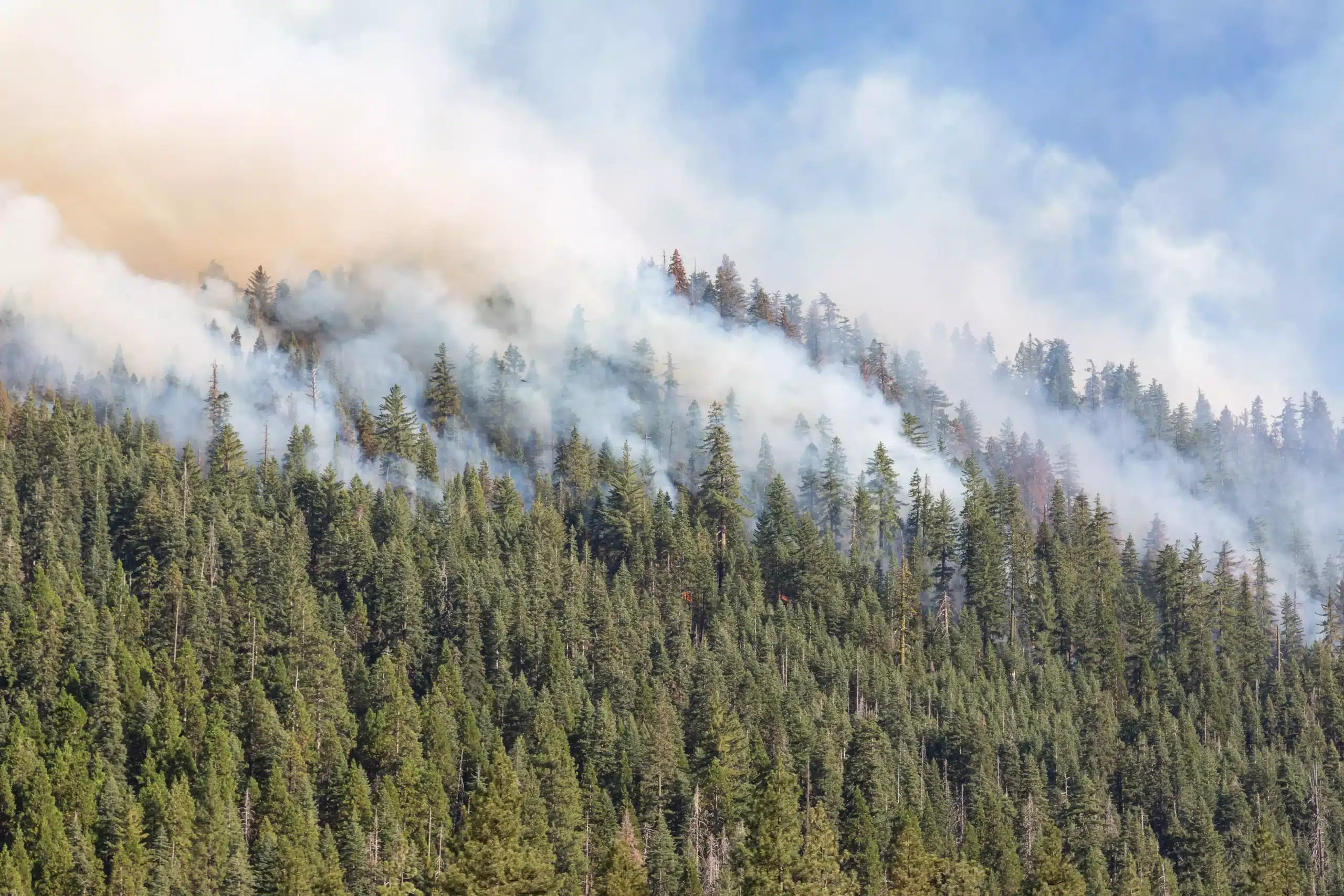
Wildfires are uncontrolled fires in natural areas that release significant amounts of smoke and particulate matter into the atmosphere. This wildfire smoke contains fine particulate matter (PM2.5) that can travel thousands of miles, infiltrating buildings and degrading Indoor Air Quality (IAQ). Maintaining high IAQ standards during these events is critical for protecting public health and knowing how to protect Indoor Air Quality from wildfire smoke is essential for reducing the risk of respiratory distress.
Key Takeaways
- Wildfire smoke contains PM2.5 particulate matter that travels long distances and infiltrates indoor living environments
- The 2026 wildfire season shows increased activity with over 3.1 million acres burned nationwide already
- Exposure to wildfire smoke can exacerbate respiratory conditions like asthma, COPD, and cardiovascular health issues
- Implementing high-efficiency HVAC filtration systems helps reduce the concentration of airborne particles inside homes effectively
- Monitoring air quality reports and closing windows are primary strategies for maintaining healthy indoor environments
Unfortunately, 2026 is shaping up to be another active wildfire year. Drought conditions, above-average temperatures, and dry vegetation across much of the western United States have increased the risk of large wildfires and widespread smoke events.
Current Trends and Forecasts for United States Wildfire Activity
While wildfires are a natural part of many ecosystems, changing weather patterns, prolonged drought, and extreme heat are contributing to longer and more intense fire seasons.
The National Interagency Fire Center’s latest outlook indicates elevated wildfire potential across portions of the Pacific Northwest, Northern California, the Great Basin, the Southwest, and parts of the Rocky Mountains throughout the remainder of summer and into early fall. Areas experiencing prolonged drought and below-normal precipitation are expected to face the greatest risk.
As of June 30, 2026:
- More than 3.1 million acres have burned nationwide
- Wildfire acreage is approximately 157% of the 10-year average
- More than 36,000 wildfires have been reported across the United States this year
Wildfire forecasts continue to evolve throughout the season, but current outlooks suggest heightened fire activity across many western states through October.
How Wildfire Smoke Affects Regional Air Quality and Health
The environmental hazards of wildfires extend far beyond the immediate burn zone. Wildfire smoke contains fine particulate matter (PM2.5) and other pollutants that travel hundreds of miles, affecting air quality in regions far removed from active fires.
In recent summers, smoke from western U.S. and Canadian wildfires has impacted communities throughout the Midwest, Great Lakes, Northeast, and even parts of the Southeast. In July 2026, wildfire smoke triggered air quality alerts across Wisconsin, Michigan, Minnesota, Illinois, and much of the Northeast, exposing millions of people to unhealthy air conditions.
For people with asthma, allergies, COPD, heart disease, or other respiratory conditions, wildfire smoke can cause serious health concerns. Even healthy individuals may experience irritation of the eyes, nose, throat, and lungs during smoke events.
HVAC Solutions and Strategies for Protecting Indoor Air Quality
When outdoor air quality deteriorates due to smoke, implementing indoor air quality (IAQ) controls is necessary to maintain a healthy living environment. Understanding how to protect Indoor Air Quality from wildfire smoke involves utilizing specific mechanical filtration methods.
The Centers for Disease Control and Prevention (CDC) recommends:
- Keeping windows and doors closed when outdoor air quality is poor
- Running an air purifier or filtration system
- Upgrading to a high-efficiency air filter
- Limiting outdoor activities during heavy smoke events
- Monitoring local air quality conditions and forecasts
A whole-home air cleaner paired with a high-performance HVAC filtration system can help reduce airborne particles entering your home. Using a MERV 13 or higher filter, when compatible with your HVAC system, can provide additional protection against fine wildfire smoke particles.
It’s also important to remember that smoke and ash can linger after a fire has ended. Continue monitoring air quality conditions and take precautions until local authorities indicate outdoor air quality has returned to healthy levels.
Preparing Homes and HVAC Systems for Wildfire Season
Wildfires are increasingly becoming a year-round concern in many parts of the country. While you can’t control where or when a wildfire occurs, you can take steps to prepare your home and protect your family’s indoor air quality.
Monitor local air quality reports, stay informed about wildfire forecasts, and ensure your home’s air filtration system is ready before smoke arrives. Cleaner indoor air can make a meaningful difference when wildfire season impacts your community.
Frequently Asked Questions
How do I know how to protect Indoor Air Quality from wildfire smoke effectively?
You can protect Indoor Air Quality by keeping windows closed, turning off ventilation, and using high-efficiency filters and whole-home air purification. These steps help capture fine particulate matter (PM2.5) that otherwise infiltrates your living space during active wildfire events, ensuring a safer environment for your family.
Why is PM2.5 dangerous for Indoor Air Quality?
PM2.5 refers to fine particulate matter that is small enough to penetrate deep into the lungs and enter the bloodstream. Because this particulate matter travels thousands of miles from wildfire sites, it poses significant respiratory and cardiovascular health risks to individuals, especially those with pre-existing conditions like asthma or COPD.
What HVAC filter rating is recommended for wildfire smoke?
The CDC and air quality experts generally recommend using a MERV 13 or higher rated filter for your HVAC system. These high-efficiency filters are specifically designed to capture smaller particles, such as smoke and ash, which are common during wildfire events, significantly improving your home’s Indoor Air Quality.